Four thousand years of lychee harvest, an Aztec joke about avocados, and Mark Twain on the cherimoya.
stories-hero.jpg
01
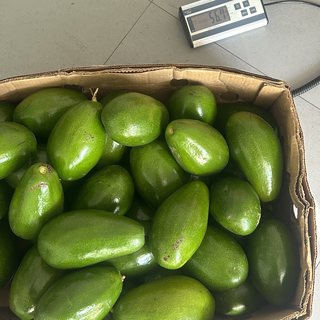
Avocado
The name descends from an Aztec word meaning “testicle,” and the fruit carried a long reputation as an aphrodisiac. Today its unsaturated fat content has made it the single most popular produce item among people eating ketogenic.
02
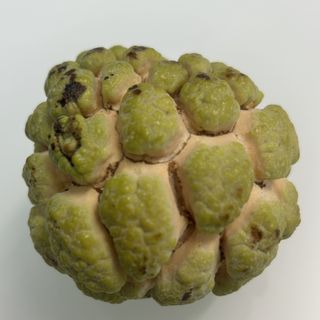
Cherimoya & Sugar Apple
Mark Twain met these South American fruits on his travels and called the cherimoya “the most delicious fruit known to men.”
03
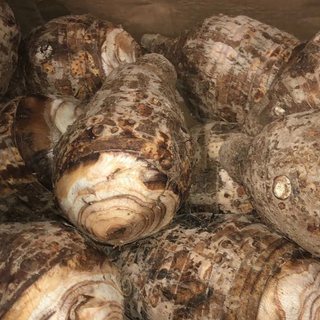
Dasheen
A taro-family root traced to China around 100 BC. Hawaiian mythology gives it a spiritual lineage, which is part of how it became a staple across the islands.
04
Dragonfruit
Asian merchants named the pitaya after spiny, fire-breathing dragons, and it was served to emperors as a symbol of strength.
05
Kumquat
Chinese literature references this citrus as early as the 1st–2nd century. The name translates to “gold orange.” Our summer supply comes from partner growers in Chile.
06
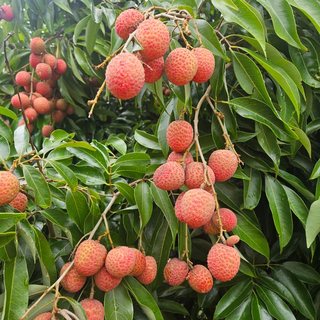
Lychee
Nearly 4,000 years of documented harvest in China and India. It reaches U.S. markets from Florida in May and June, and from South African cooperatives in December and January.
07
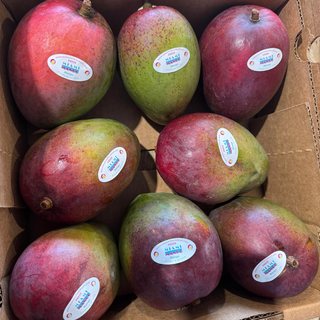
Mango
Native to India and China, carried into the Western Hemisphere by 17th-century explorers. We ship Florida varieties in season alongside exclusive Jamaican East Indian and Julie fruit.
08
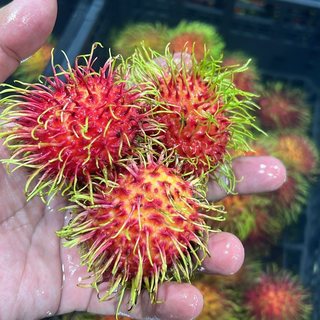
Rambutan
From a Malaysian word meaning “hair.” Dutch colonists brought it to Suriname in the 19th century and it spread through Central America. We farm over 50 manzanas in Honduras to control quality ourselves.
09
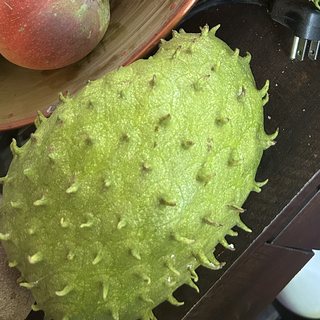
Soursop
Grown across several continents with little documented origin. Grenada holds exclusive authorization to export the fresh fruit to the United States, and we are the island’s leading grower and distributor.